As esports continues to reshape digital culture, forward-thinking educators are embedding it into curriculum—not just as competition, but as a lens for understanding media, labor, and the creator economy. At the University of Alabama, Assistant Professor Brandon Harris is doing just that. From esports theory to platform studies, his work explores how gaming intersects with the future of media industries and student opportunity.
Can you introduce yourself and your role at the University of Alabama? How did you become involved with esports education?
I’m Brandon Harris, an Assistant Professor in the Department of Journalism and Creative Media at the University of Alabama. My background is in media studies, with a Ph.D. from the University of Oregon, and my research focuses on the creator economy, digital labor, and media production. I started incorporating gaming and esports into my teaching because it sits at the intersection of culture, media, and innovation. The energy and relevance of esports make it a compelling lens for students to engage with critical thinking and real-world applications.
What does your institution currently offer in terms of esports?
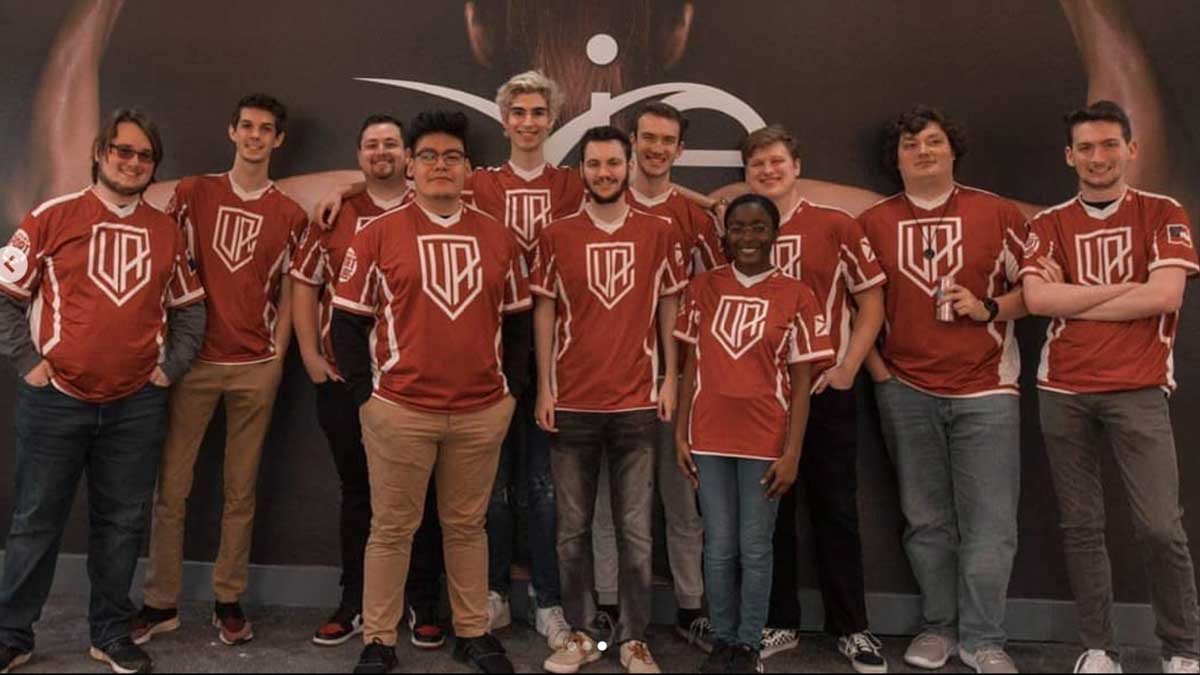
At University of Alabama, we’re laying the groundwork for a broader esports presence. We have a vibrant esports club and are currently building a dedicated arena on campus. On the academic side, I teach courses on gaming and esports through a media studies perspective—exploring everything from industry dynamics to cultural representation and societal issues within the space. Additionally, I serve on the board of the university’s Beyond Sports Institute, which brings together researchers, educators, and industry professionals to tackle emerging challenges and opportunities in both traditional and digital sports.
How do you define success in esports education?
Success looks different for every institution, depending on resources and student needs. For me, the goal is to ensure esports isn’t siloed but integrated into broader learning. It’s not just about winning matches—it’s about developing transferable skills in journalism, broadcasting, marketing, and event production. A successful program helps students discover what they love, build tangible experience, and walk away with tools to pursue careers in digital media or the esports industry.
What benefits has your membership with the Esports Trade Association brought so far?
Even in a short time, the networking has been invaluable. Connecting with professionals across sectors helps bridge the gap between academia and industry. It’s giving us a real-time understanding of where esports is heading and how we can align our curriculum to meet the future.