The gamer snack has a stereotype: orange dust, warm energy drink, something you eat with one hand because the other one is busy. A pistachio grower from California bet that stereotype was wrong. Three years into its run at one of gaming’s biggest tournaments, the fans have settled the argument.
Consider the hands.
A fighting-game player at a major tournament will spend three days with both of them occupied. Thumbs on a d-pad, fingers rolling through inputs measured in fractions of a second, forearms locked in for bracket runs that stretch past midnight. Whatever that player eats, they eat fast, one-handed, between matches — and it has to leave nothing behind. Grease is a liability. Powder is a catastrophe. Anything that requires two hands and a napkin loses to anything that doesn’t.
This is how the category got its reputation. The snack aisle solved for gamers with neon dust and sugar, then let the stereotype calcify: the energy drink sweating on the desk, the fingertips stained a color not found in nature. It was never really a nutrition decision. It was a logistics decision that nobody bothered to revisit.
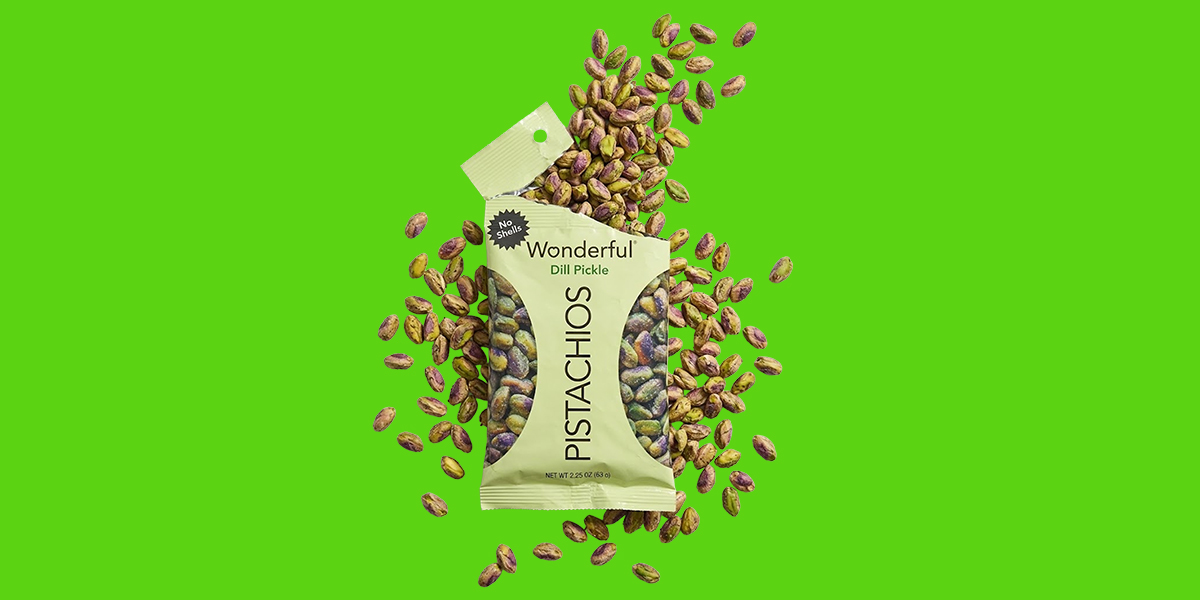
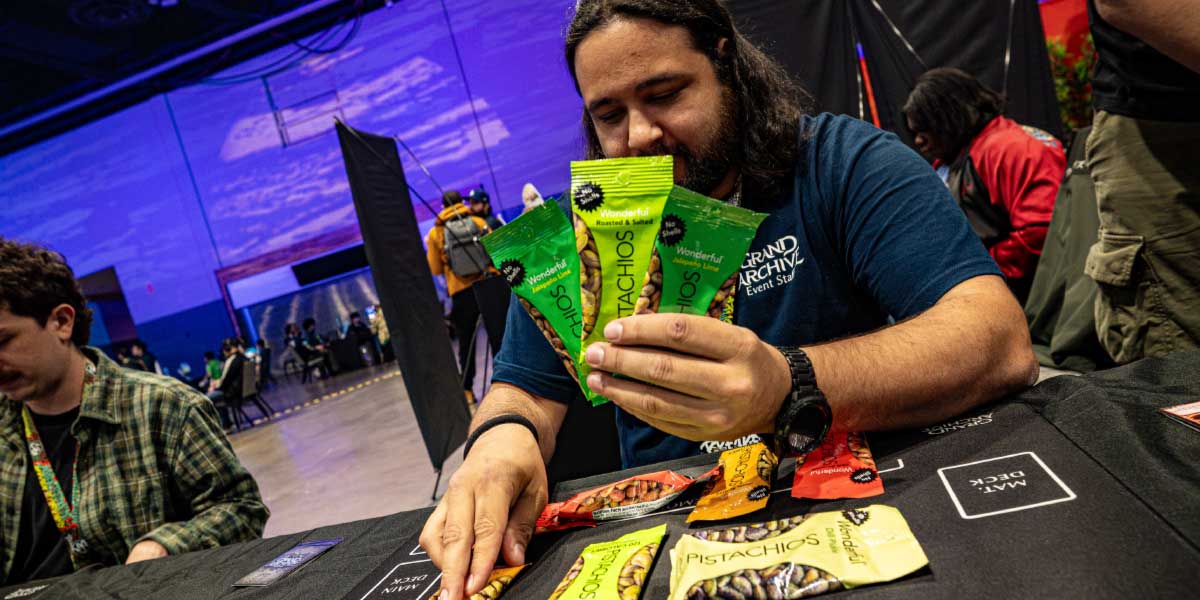
Wonderful Pistachios revisited it. The pitch was almost aggressively practical — a shell-free pistachio you can eat without leaving a trace on a controller, carrying six grams of protein and three grams of fiber per serving instead of a crash — and it aimed at a gap that had been sitting in plain sight for years. Gamers snack more than almost anyone. Almost nobody was feeding them anything good.
Four years later, the evidence that the argument landed isn’t in a report.
“Every year at Combo Breaker we have attendees stop by our booth specifically to tell us they’re glad we’re back,” says Diana Salsa, the company’s vice president of marketing. Many of them, she says, mention they tried the product for the first time at the tournament and now buy it regularly at their local grocery store. “The most meaningful metrics aren’t found on a report. They come directly from the community.”
That’s an unusual thing for a marketing executive to lead with, and it’s roughly the whole story of how a pistachio grower from California’s Central Valley became a fixture in competitive fighting games. This past May, Wonderful returned to Combo Breaker as its official snack for a third consecutive year — a run spanning an event that has grown from roughly 7,000 in-person attendees in 2024 to about 8,000 in 2025 to more than 8,500 this spring, plus a global Twitch stream. No stunt. No capsule drop. A sampling station, some livestream ads, and the discipline to keep coming back.
The Long Approach
Wonderful didn’t arrive at Combo Breaker cold. Its gaming push dates to 2021, when the company launched a reported $1 million campaign across Twitch and YouTube — its first partnership with Twitch — built around custom ad formats and its mess-free No Shells line, pitched with almost comic directness at players who didn’t want greasy fingers on their controllers. A content deal with streamer Brennon “GoldGlove” O’Neill followed, then a sponsorship of the Panda Cup Super Smash Bros. circuit, and from 2024, the anchor spot at Combo Breaker.
What’s kept the brand coming back to that last one is specific, and Salsa doesn’t hesitate to name it. “One of the things that continues to impress us about Combo Breaker is that it has remained a true grassroots event,” she says. “The fighting game community is incredibly passionate, welcoming and authentic, and that’s something you can’t manufacture.”
There’s also a thematic fit the brand didn’t have to invent. “Gaming, and especially the fighting game community, is a great equalizer,” Salsa says. “Once the match begins, everyone has the same opportunity to compete, improve and succeed. That mindset aligns really well with our ‘Don’t Hold Back Snack’ philosophy — show up, be yourself, and don’t be afraid to take your shot.”
Her one-line description of the appeal is also the sharpest available diagnosis of why so many sponsorships miss: “It’s a community built around passion rather than hype.”
Right Product, Right Room
The tempting assumption about a fit this clean is that the product was engineered backward from the audience — that somewhere a team built Jalapeño Lime pistachios to chase gamers. Salsa is quick to clarify that’s not quite how it works.
“The gaming community doesn’t dictate Wonderful Pistachios flavor innovation or pack sizes, but it absolutely represents an audience that naturally aligns with the products we’re already bringing to market,” she says. “It’s less about changing the product and more about introducing the right product to the right consumer at the right time.”
The alignment is real enough that it doesn’t need engineering. Many gamers fall into the Gen Z and Millennial demographics that, Salsa notes, “consistently tell us they’re looking for adventurous, bold flavors and convenient snacks that fit into their lifestyles” — an instinct supported by data the brand cites from NACS Magazine, which reports that more than 90% of Gen Z and Millennials say they seek out new food and beverage flavors. Bolt that onto the practical case — six grams of protein and three grams of fiber per serving, portion-controlled packs, and a shell-free line built for hands busy holding a controller — and you have a snack that suits a twelve-hour bracket run without anyone having to pretend.
“Rather than creating flavors specifically for gamers,” Salsa says, “we’re connecting an audience that already enjoys trying exciting new tastes with products we know they’ll appreciate.”
It’s a less romantic story than invention. It’s also much harder to fake, which is the point.
Two Jobs, Two Channels
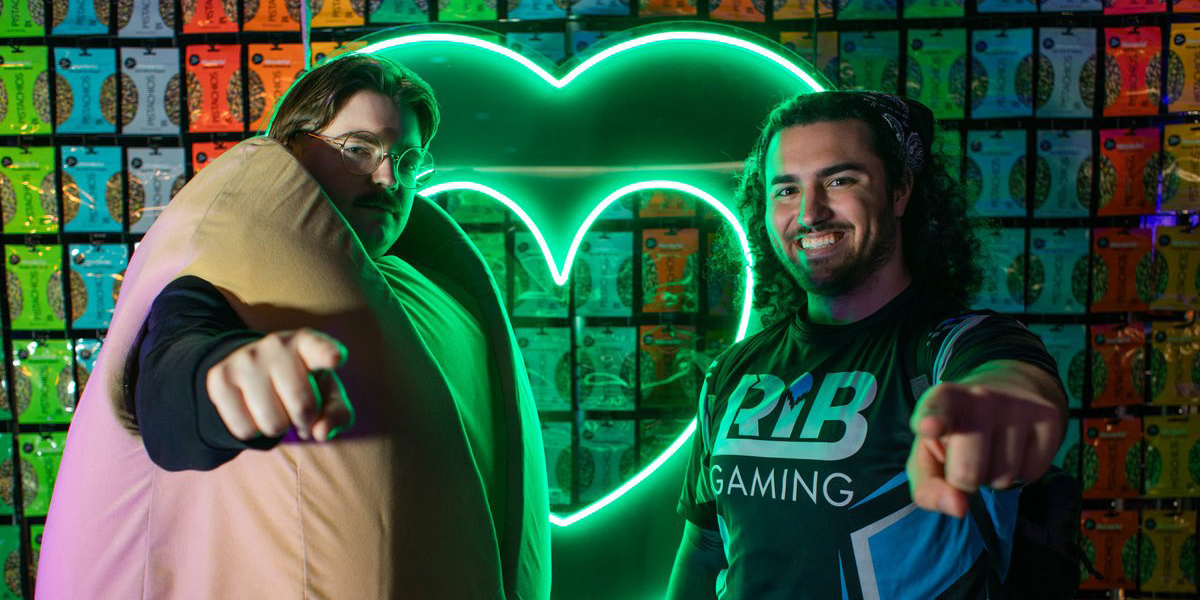
At Combo Breaker, Wonderful runs the floor and the broadcast at once — physical sampling and on-site branding in the venue, plus commercials dropped directly into gameplay moments across the three-day stream. Asked which side is doing more of the work, Salsa won’t pick.
“Honestly, I don’t think we could choose one over the other because they accomplish two very different objectives.”
The floor exists to convert. “For Wonderful Pistachios, tasting is believing,” she says. Sampling gives attendees a shot at flavors they’ve never tried, “and we’ve consistently seen that once someone finds a favorite flavor, they’re much more likely to become a repeat purchaser.” The booth does second duty as a relationship: those face-to-face conversations, she notes, are where the genuine community ties get built.
The stream does something else — reach and repetition, aimed at a global audience that will never walk the venue. “As a marketer, I know that repeated exposure matters,” Salsa says. What she’s buying is a delayed trigger: “when someone is shopping later — whether they’re walking through the snack aisle or standing at checkout — we hope we’re one of the first brands they remember.”
Her summary is the cleanest version of the logic: “The live experience creates trial while the digital experience reinforces awareness, and both are essential parts of the equation.”
What Earned Looks Like
Every sponsor insists their activation is landing. The harder question is what proof looks like in a community that can spot a rented logo from across the hall.
The tell, for Salsa, is the return traffic and what comes after it. Attendees who stop by specifically to say they’re glad the brand is back. The ones who mention they tried Wonderful Pistachios for the first time at Combo Breaker and now pick it up on a regular grocery run — the full arc, from a free sample at a tournament to a standing line item. “Those conversations are incredibly rewarding because they tell us we’ve created genuine product trial that translated into long-term customers,” she says.
The second signal is the one no brand can request. People post photos with the booth, tag the company, take their flavor arguments online without being asked. “When a community welcomes you back, engages with your brand organically and wants to interact beyond the event itself, that’s when you know you’ve become more than just another sponsor logo,” Salsa says.
Ask how that standing got built and the answer arrives without a single piece of strategy jargon: “We’ve earned a place by consistently showing up and respecting the community we’re participating in.”
Don’t Pretend to Be Something You’re Not
Four years in, Salsa has become an accidental authority on a question a lot of consumer brands are now asking: what happens if we try this? Her answer comes in two halves, and the first is more encouraging than most gaming veterans would offer.
“I’d encourage them not to let the fear of striking out — or in this case, getting knocked out — keep them from entering the game,” she says. Gaming, in her framing, isn’t a niche to be infiltrated but one of the largest and most diverse entertainment communities on earth, and reaching it is just the oldest principle in the business: meeting people where they already spend their time. Brands with an authentic reason to be there, she argues, are looking at an enormous opportunity.
The second half is where most entrants get into trouble. “The biggest caution I’d offer is not to pretend to be something you’re not,” Salsa says. “Gaming audiences are incredibly perceptive and can quickly tell when a brand is forcing its way into the conversation.” It’s a warning that costs something to follow, because the alternative to forcing your way in is accepting that you’ll reach fewer people, more slowly — and that some of them will never be interested at all.
Wonderful accepted exactly that trade. “As a healthy snack brand, we know we don’t appeal to everyone, and we don’t rely on loud, disruptive tactics to change people’s behavior overnight,” Salsa says. “Instead, we focus on showing up consistently, offering a great product, and letting consumers discover us on their own terms.”
On their own terms. That’s the part the flashier playbooks can’t replicate, and it’s why the booth traffic keeps growing. Wonderful never tried to win the fighting-game community. It kept turning up with something worth eating and let people find it — and four years on, the ones who did are the ones telling the brand it belongs.